Forensic Scientist

Forensic Scientist

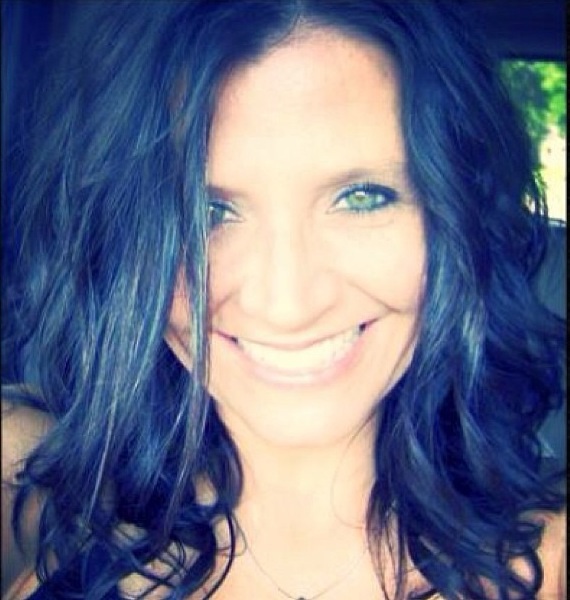
LIsa Black

Cape Coral, FL

Female, 49

I spent the five happiest years of my life in a morgue. As a forensic scientist in the Cleveland coroner’s office I analyzed gunshot residue on hands and clothing, hairs, fibers, paint, glass, DNA, blood and many other forms of trace evidence, as well as crime scenes. Now I'm a certified latent print examiner and CSI for a police department in Florida. I also write a series of forensic suspense novels, turning the day job into fiction. My books have been translated into six languages.

SubscribeGet emails when new questions are answered. Ask Me Anything!Show Bio +

Share:

Ask me anything!

Submit Your Question

989 Questions

Share:

Last Answer on July 21, 2022

Best Rated

is there any "dream" future advancement that can be made to help improve the forensic processes?

Asked by MB2000 over 7 years ago

Automatic access to a national fingerprint database. Even though you see it on TV every day, it's not really possible for police departments. At best we are tied into the state database, but not any sort of national or international one, at least not without a lot of hoops.

Have you ever seen anything like from the movie SAW

Asked by Ally over 7 years ago

I actually haven’t seen that movie. Do you mean super bloody homicides or ones where some psycho has set up a torture chamber? (The answers would be yes to the former, no to the latter.)

I am interested in becoming a forensic scientist and I just finished school with a Bachelor's. I was wondering how hard will it be to get a job if I take 3 years off to see the world? I have always wanted this job but I want to makesuremyfutureisgood

Asked by Kimmi almost 7 years ago

I honestly have no idea. I don’ t think it would necessarily hurt you. What will be more important at hire is your training and experience—and it depends on what you want to do. If you want to be a DNA analyst you’ll probably need postgraduate degrees. If you want to do crime scene work you will need hands-on college courses and preferably an internship or two. If you want to do laboratory analysis then some sort of laboratory experience will be best. Is there a way you can present your travels as having increased your knowledge of forensics?

If I were to major in CJ and minor in Forensic Science, could I become a forensic scientist? Or am I required to major in biology or chemistry?

Asked by Eliza over 7 years ago

Again, titles and job requirements aren't uniform, so the only way to know is to call the crime labs in your area or whereever you might be interested in working and ask them. At the coroner's office we had to have at least a bachelor's in a natural science (this was before they had forensic science majors). At the police department where I am now, they only require a high school diploma but you get more points in the interviewing process for having a four year degree, so we all have one. You can also go on the websites for professional organizations such as the American Academy of Forensic Sciences and check out their job vacancy postings and see what the various positions require. Good luck.

Could it be determined that bones found might be 200 years old? Would DNA be found in bones 200 years old? How long does it take to get DNA results back? Are news releases required when remains are found? Do news reporters come around routinely?

Asked by Arleen Anderson over 7 years ago

1. Probably not in a forensics lab. I'm guessing that would require carbon dating; an archaeologist would know much more than I would. 2. Possibly.3. Depends on the backlog at the lab (could be weeks, could be many months) and how much you're willing to pay for rush work at a private lab.4. I'm not sure news releases are ever required for anything, unless there's some sort of imminent threat to the public. Sorry but I actually don't know how our public information officer decides when to issue a release or not. 5. News reporters usually come to the scene of a crime or accident when they see something going on, but it depends on how busy they are, who they can spare to go to the scene, and whether they guess this will be a useful story to them. It's entirely up to them. We have a public information officer that they can always contact to get any release-able information.

I’m currently taking my first forensic course in college. Its online yet I’ve gotten A’s on every assignment and the teacher puts amazing notes on each assignment. Would this teacher be a good recommendation letter she dosnt know me but knows my work

Asked by Forensic over 7 years ago

I don't see why not!

Best of luck.

What are the weirdest or odd things in crime scene that you've ever encounter?

Asked by KennyV over 7 years ago

Huh...that's a tough question. Nothing really stands out...everything is a little weird in some ways but not incredibly so. Perhaps the most unusual thing I ever had to examine was a safety harness from a window washer who fell 38 floors. Mostly I'm just amazed at the way people live, and the things people do to their houses. (And what they think looks good in terms of decor.)The most fun thing we had, at a homicide scene, was the homeless victim's cat with her litter of small kittens. That rivaled the litter of puppies who had a temporary bed in the master bath jacuzzi tub of a grow house.